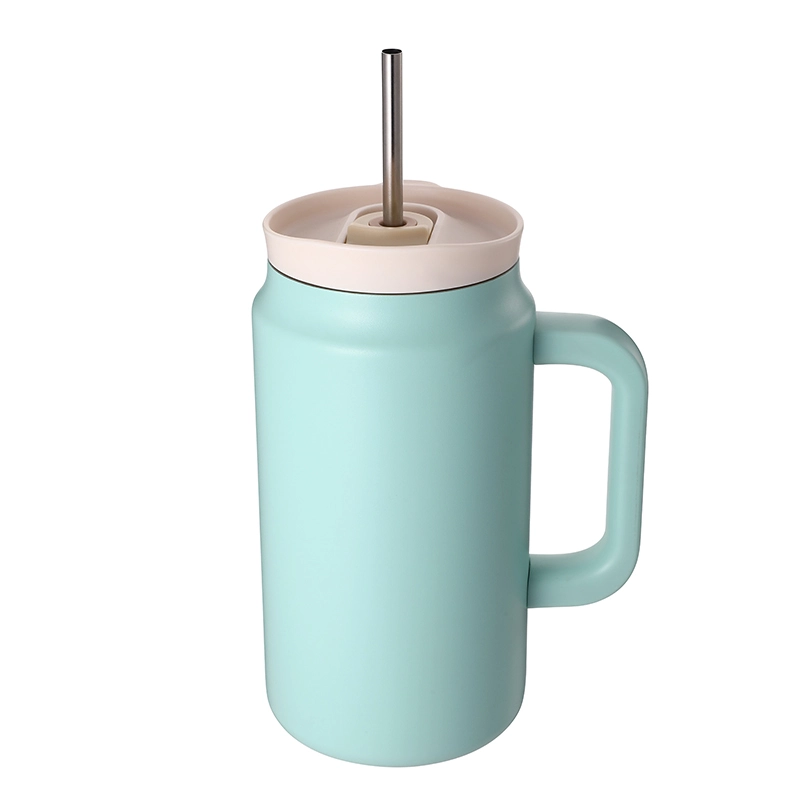
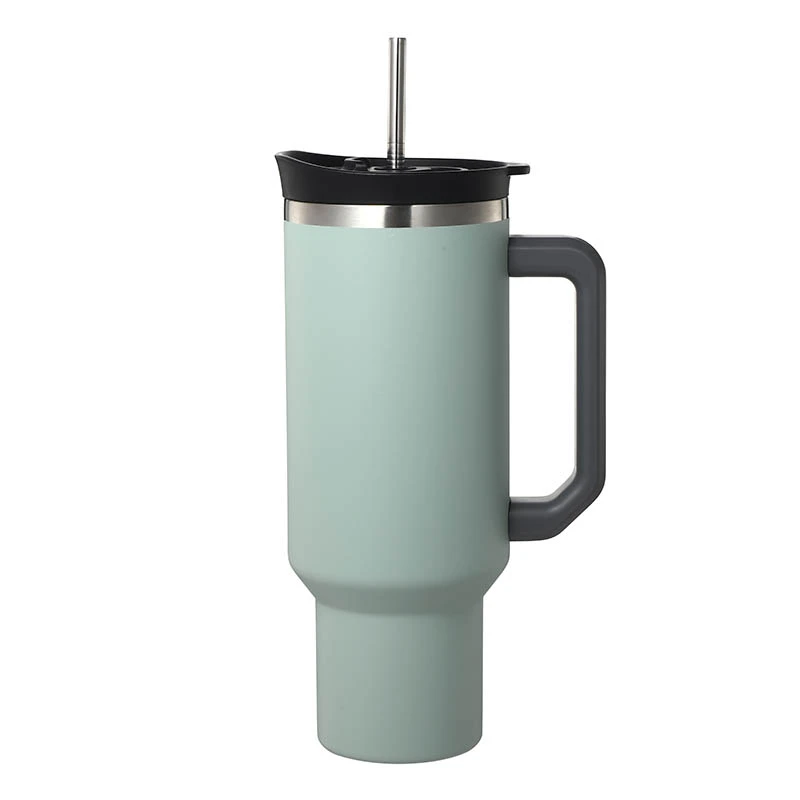
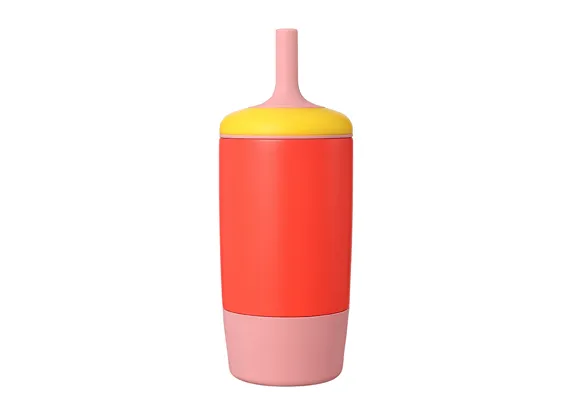
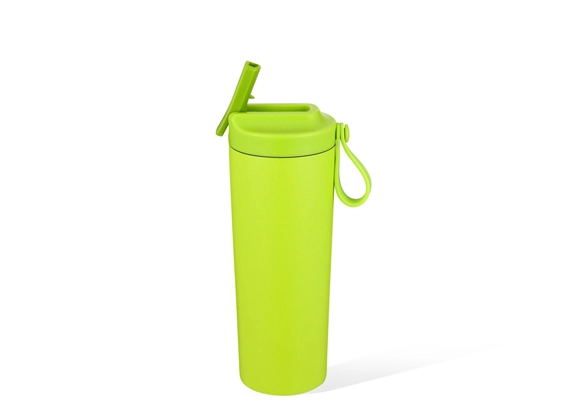
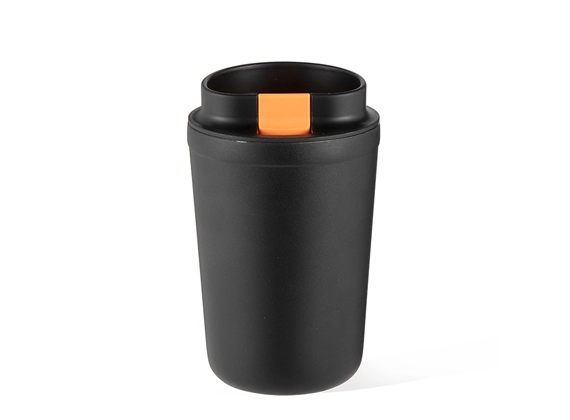
With the arrival of the cold winter, thermal mugs have become an indispensable “good companion” in our daily lives. Whether in the office, at school, or while traveling, a cup of hot drink can instantly dispel the chill. However, the wide variety of thermal mugs on the market can be overwhelming. How can you choose a thermal mug that is both safe and practical? This article will share simple and easy-to-understand tips to help you effortlessly find your ideal thermal mug!
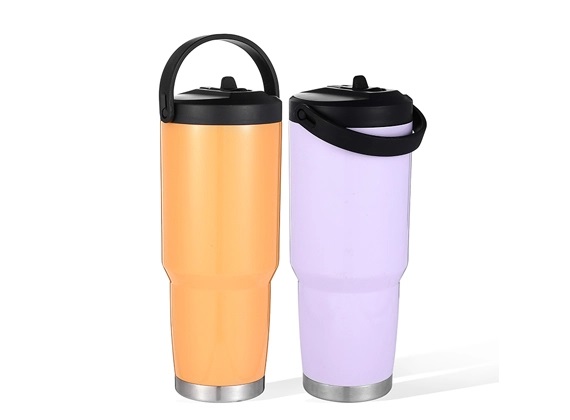
Material is Key
When choosing a thermal mug, the material is the most important factor to consider. Most thermal mugs use stainless steel, but not all stainless steel is the same. There are three common types.
201 Stainless Steel: This type of thermal mug is inexpensive, but it has poor corrosion resistance. Long-term storage of acidic beverages may release harmful manganese elements, which can affect health, especially the nervous system.
304 Stainless Steel: This is the most commonly used food-grade stainless steel, known for its good corrosion resistance and safety. 304 stainless steel requires a composition of 18% chromium and 8% nickel, making thermal mugs labeled as 304 stainless steel a good choice.
316 Stainless Steel: If you need higher corrosion resistance, 316 stainless steel is the best choice. It contains molybdenum in addition to 304’s components, making it suitable for medical and chemical applications.
Four Simple Tips for Choosing a Thermal Mug
When selecting a thermal mug, follow these four steps to ensure the mug is safe and reliable.
Look: Carefully check the material label of the thermal mug to ensure it complies with the national food safety standard GB 4806.9—2016, and avoid vague labels like “high-grade stainless steel.” The sealing lid should be made of safe, heat-resistant PP material.
Touch: Feel the interior and exterior of the mug. The surface should be smooth and even, without scratches or burrs. Weld joints should be flat to avoid potential safety hazards.
Smell: Bring the mug close to your nose to ensure there is no pungent odor. A strange smell may indicate poor material quality and should not be ignored.
Test: Pour in boiling water and tighten the lid. After 2–3 minutes, hold the mug body. If there’s no significant temperature rise, the insulation is effective. Then turn the mug upside down for 4–5 minutes to check for leakage, ensuring good sealing performance.
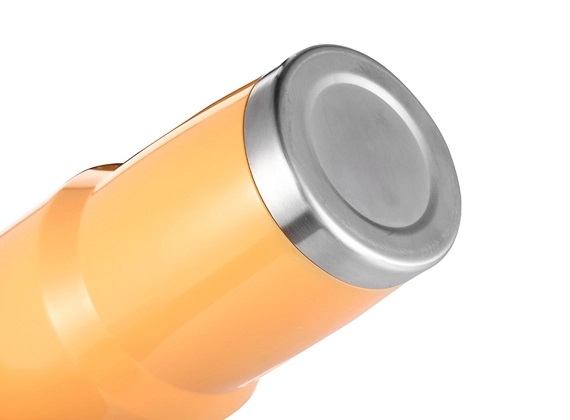
Precautions for Using Thermal Mugs
Before using a stainless steel thermal mug, it is necessary to clean and disinfect it. Generally, scalding with boiling water or washing with a neutral detergent is safer. Preheating with boiling water before use enhances insulation performance. Also, if the mug is dropped or hit, it may get damaged or deformed, affecting the insulation and shortening its lifespan.
Stainless steel thermal mugs are not suitable for storing all types of liquids. The liner should avoid contact with corrosive acidic or alkaline liquids. Do not use them to store dry ice, carbonated drinks, etc. It is also not recommended to store milk, soy milk, juice, tea, or traditional Chinese medicine for extended periods. For children's straw thermal mugs, do not fill with liquids over 50°C to avoid high internal pressure that may cause hot liquid to spray from the straw and cause burns. Do not overfill with boiling water to avoid spillage and scalding when tightening the lid.
Choosing a safe and practical thermal mug allows you to enjoy warm beverages during the cold winter. We hope these tips help you find the perfect thermal mug to warm your entire winter! As a global leading supplier of thermal mugs, everich adopts advanced manufacturing processes and a strict quality inspection system. Every thermal mug undergoes multiple inspections before leaving the factory, including tests for sealing, heat resistance, and insulation duration, to ensure that every product delivered to users is durable. All products comply with international food safety standards, are eco-friendly, and ensure drinking safety.