Keeping your sports water bottle clean isn't just about looks—it's essential for health. A dirty bottle can harbor bacteria, mold, and bad odors, turning your hydration essential into a potential health risk. In 2026, with more people hitting the gym, trails, and offices, proper cleaning routines are more important than ever.
Whether your bottle is stainless steel, plastic, or insulated, this ultimate guide covers everything: why odors appear, the best tools, step-by-step deep cleaning, lid/straw care, natural vs. chemical methods, prevention tips, and top dishwasher-safe options.
Why Your Sports Water Bottle Smells Bad (and How Often You Should Clean It)
Ever noticed a funky, mildew-like smell from your sports bottle—even after rinsing? That's usually caused by:
Bacteria and biofilm buildup — Saliva, sweat residue, and moisture create a slimy layer where microbes thrive.
Mold growth — Especially in straws, lids, and crevices if not dried properly.
Residual sports drinks/protein shakes — Sugars feed bacteria faster than plain water.
Trapped moisture — Lids left on while damp accelerate odors.
How often to clean?
Daily rinse — After every use, rinse with warm water (and soap if possible) to remove residue.
Deep clean — At least once a week (or every 3–5 uses for gym bottles with sports drinks).
Disinfect — Monthly, or immediately if you spot black spots/mold.
Regular cleaning prevents odors and keeps your bottle safe. Skipping it? Studies show reusable bottles can harbor more bacteria than a toilet seat if neglected!
Tools You Need to Clean a Sports Water Bottle Properly
Gather these essentials for effective, scratch-free cleaning:
Bottle brush (long, flexible for reaching the bottom)
Straw cleaner/pipe cleaners (for lids and straws)
Mild dish soap (unscented preferred)
White vinegar or baking soda (natural odor fighters)
Optional: Dishwasher (for safe models) or cleaning tablets
Microfiber cloth or paper towels for drying
Avoid abrasive scrubbers—they can scratch stainless steel or plastic, making bacteria cling easier.
Step-by-Step: How to Deep Clean the Bottle Body
Follow this foolproof method for a fresh, odor-free bottle:
Empty and pre-rinse — Dump out any liquid and rinse with hot water to loosen residue.
Add cleaner — Fill halfway with hot water + 1 tsp mild dish soap (or 1 tbsp baking soda for natural option).
Scrub thoroughly — Use the bottle brush to scrub interior walls, bottom, and neck. Shake vigorously for 30–60 seconds.
Soak if needed — For stubborn smells, let soak 15–30 minutes (or overnight for heavy buildup).
Rinse completely — Run hot water through multiple times until no suds or smell remain.
Air dry upside down — Remove lid and place bottle upside down on a drying rack. Never store with lid on while damp!
Pro tip: For insulated stainless steel bottles, avoid boiling water directly if not rated—hot tap water is usually sufficient.
How to Clean Sports Water Bottle Lid / Straw / Cap
Lids and straws are odor hotspots—most people skip them!
For flip-top or screw-on lids:
Disassemble if possible (remove gasket/seal).
Soak in warm soapy water 10–15 minutes.
Use a small brush or toothbrush to clean threads, valves, and seals.
Rinse and air dry separately.
For straw lids (common in sports bottles):
Remove straw and brush inside with pipe cleaner + soapy water.
Soak straw in vinegar solution (1:1 white vinegar + water) for 15 minutes to kill mold.
Run hot water through straw while brushing.
Check silicone seals—replace if cracked.
Quick hack: Drop lid parts in dishwasher top rack (if dishwasher-safe).
Natural vs Chemical Cleaners: Which Works Best?
Both options work, but choose based on your needs:
Natural Cleaners (Recommended for Daily/Weekly Use):
Baking soda — Absorbs odors, scrubs gently. Mix 1–2 tsp with warm water, shake, soak.
White vinegar — Kills bacteria/mold naturally. 1:1 with water, soak 15–30 min.
Lemon juice — Adds fresh scent, mild acid fights buildup. Pros: Eco-friendly, no harsh fumes, safe for stainless steel. Cons: Slightly slower on heavy mold.
Chemical Cleaners (For Tough Cases):
Dishwasher pods or bleach solution (1 tsp unscented bleach per gallon water, soak 2–6 min).
Cleaning tablets (e.g., effervescent drops). Pros: Faster disinfection, kills 99.9% germs. Cons: Potential aftertaste if not rinsed well; not ideal for frequent use.
For most users, natural methods win for routine care—especially with food-grade stainless steel bottles that resist odors better.
How to Prevent Mold & Odor in the Future
Prevention beats cure—adopt these habits:
Rinse immediately after use (don't let residue sit).
Air dry completely with lid off—moisture is mold's best friend.
Store in cool, dry place (avoid sealed bags).
Avoid sugary drinks if possible, or clean extra thoroughly after.
Choose wide-mouth, easy-clean designs with removable parts.
Weekly deep clean + monthly disinfect routine.
Switch to stainless steel—it's less porous than plastic, resists bacteria, and odors fade faster.
Dishwasher-Safe Options from Everich ODM
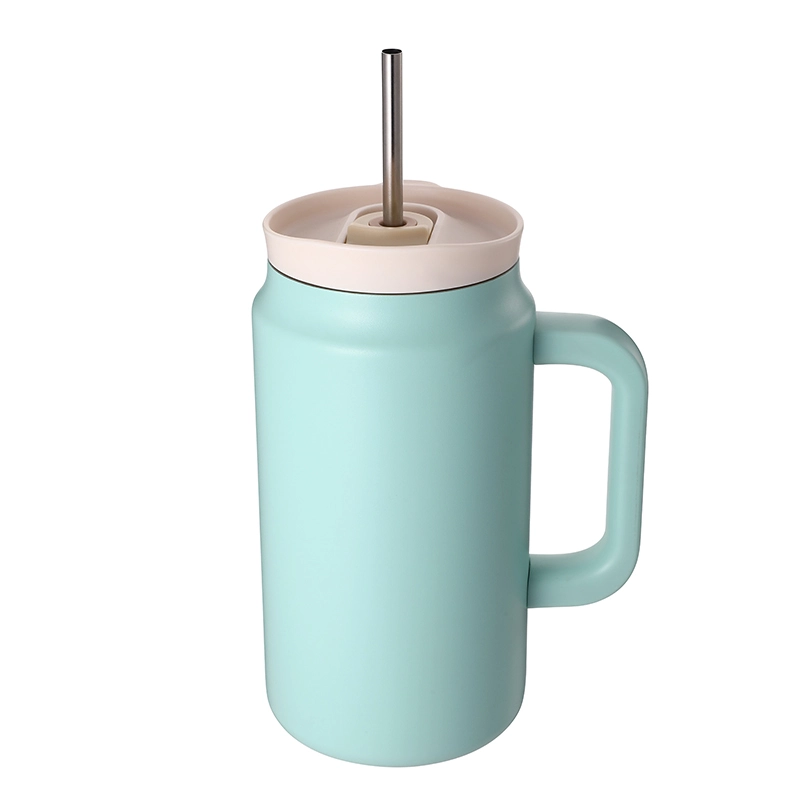
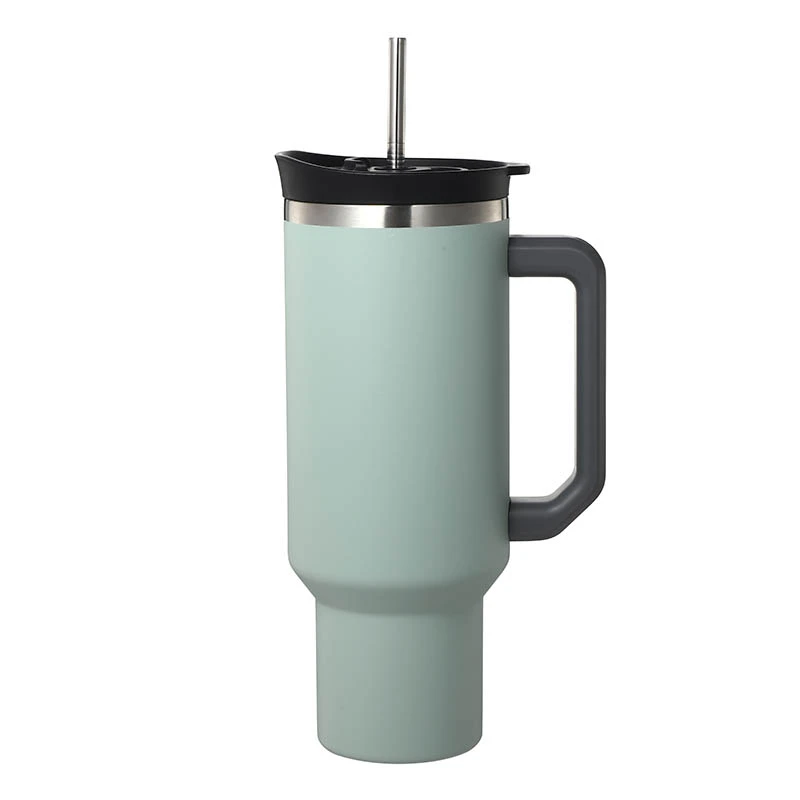
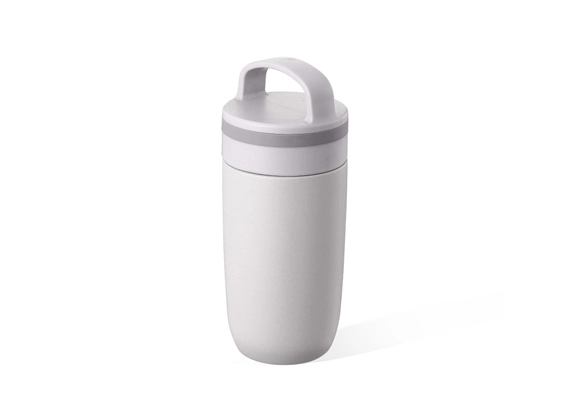
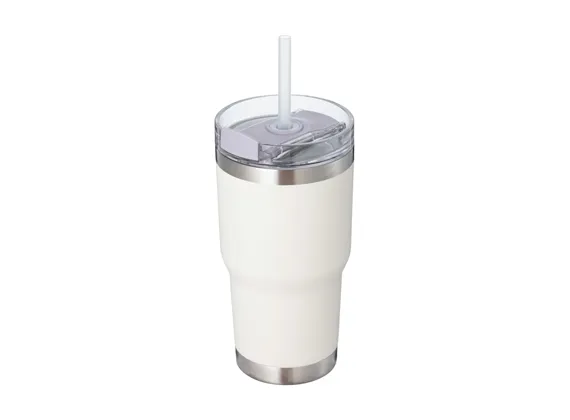
For hassle-free cleaning, invest in a truly dishwasher-safe sports water bottle. Everich ODM specializes in premium 304 stainless steel sports water bottles that are:
Vacuum insulated for temperature retention
Leak-proof with secure lids
BPA-free and food-grade safe
Top-rack dishwasher safe (bottle + lid)
Easy to clean wide mouth + removable straw options
These bottles minimize odor buildup thanks to smooth 304 stainless interiors and high-quality silicone seals.
Check out Everich's best-seller: BPA Free Water Bottle
Perfect for bulk orders, branding, or personal use. Contact Everich ODM for custom capacities, colors, logos—low MOQ available!
Ready for a bottle that stays fresh longer? Explore Everich's full range today and say goodbye to smelly bottles forever.