In 2026, reusable sports water bottles are everywhere—from gym bags to hiking trails—but many are still made of plastic. While convenient and lightweight, concerns about BPA, chemical leaching, and microplastics have grown significantly. Recent studies highlight real risks, especially with repeated use, heat exposure, or wear and tear.
This guide breaks down the science: plastic vs. stainless steel comparisons, leaching dangers, latest microplastics research, warning signs, and why more brands (and consumers) are switching to safer materials like stainless steel.
Plastic vs Stainless Steel: What Science Says in 2026
Plastic (often PET or polycarbonate in sports bottles) is cheap and shatter-resistant, but it can degrade over time. Stainless steel (typically 304 or 18/8 food-grade) is non-porous, inert, and doesn't leach chemicals.
Key comparisons based on recent analyses:
Safety — Stainless steel has no harmful leaching; plastic can release BPA, phthalates, or microplastics (especially when heated or scratched).
Durability — Stainless lasts years without degrading; plastic cracks, warps, or harbors bacteria in scratches.
Odor/Bacteria — Stainless resists odors and biofilm; plastic absorbs smells and is harder to deep-clean.
Environmental/Health Impact — Stainless is reusable indefinitely with minimal risk; plastic contributes to microplastic pollution and potential endocrine disruption.
Experts (including health organizations and material studies) consistently rank stainless steel as the safer, longer-term choice for daily hydration, especially for active users.
Do Plastic Bottles Leach Chemicals When Heated or Reused?
Yes—heat and reuse accelerate chemical migration.
BPA and Phthalates — Even "BPA-free" plastics may use similar substitutes (e.g., BPS) with comparable risks. Studies show leaching increases dramatically above 85°F (e.g., hot car, dishwasher, or sun exposure). A 2025 study noted higher BPA release from PET bottles at 18–28°C, with risks compounding from daily cumulative exposure.
Reusing Single-Use Bottles — Designed for one-time use, they break down faster when washed/reused, releasing more chemicals. Heat (like leaving in a car) can cause phenol-like compounds to seep in.
Health Links — Potential endocrine disruption, hormone imbalance, reproductive issues, and gastrointestinal effects from long-term exposure.
Avoid heating plastics or reusing disposable bottles—opt for materials that stay stable.
Microplastics in Sports Bottles – Latest Studies
Microplastics (tiny particles <5mm) and nanoplastics are a growing concern in reusable and single-use plastic bottles.
Recent 2025–2026 findings:
Bottled water (often plastic) contains significantly more microplastics than tap—up to 3x nanoplastics in some brands.
Regular plastic bottle users ingest ~90,000 extra particles yearly vs. tap drinkers (average 39,000–52,000 total annually).
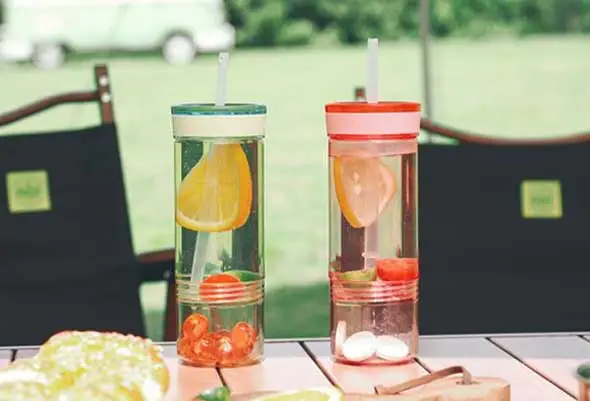
Reusable plastic sports bottles shed particles over time from wear, heat, UV, or cleaning—exacerbating ingestion.
Chronic risks include respiratory/reproductive issues, inflammation, and potential cellular entry (though some studies question detection accuracy, consensus urges caution).
Single-use bottles contribute heavily; reusable plastics aren't immune if degraded.
Switching to non-plastic alternatives drastically reduces exposure—no shedding from stainless steel.
Signs Your Plastic Bottle Is No Longer Safe
Watch for these red flags—replace immediately:
Visible scratches, cloudiness, or cracks (harbor bacteria and increase leaching).
Lingering odors or tastes even after cleaning (indicates absorption/degradation).
Warping or discoloration from heat/sun.
White residue or film inside (possible chemical breakdown).
Frequent use >6–12 months without deep inspection (most plastics degrade faster).
If any appear, it's time for a safer upgrade—don't risk ongoing exposure.
Safer Alternatives: Why Brands Choose Stainless Steel
Brands shift to stainless steel for health, durability, and consumer demand:
No Leaching — Inert material; no BPA, phthalates, or microplastics.
Temperature Stability — Handles hot/cold without risk.
Longevity — Lasts years, reducing waste and replacement costs.
Hygiene — Non-porous, easy to clean, resists bacteria/odors.
Eco-Appeal — Reusable indefinitely; appeals to health-conscious buyers.
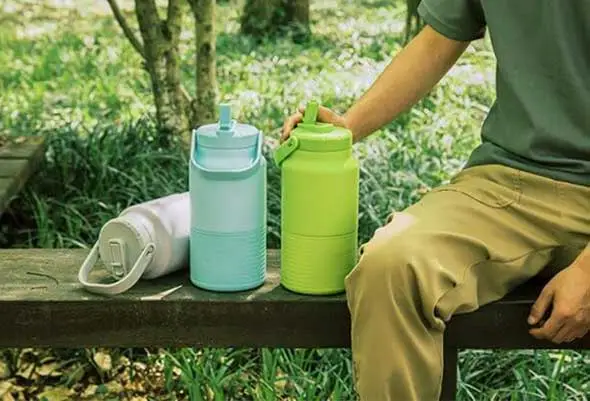
In 2026, stainless dominates premium sports hydration—ideal for gym, office, or outdoor use.
How Everich Ensures Food-Safe Materials (BPA-free, FDA compliant)
As a leading drinkware manufacturer, Everich ODM prioritizes safety in every stainless steel product.
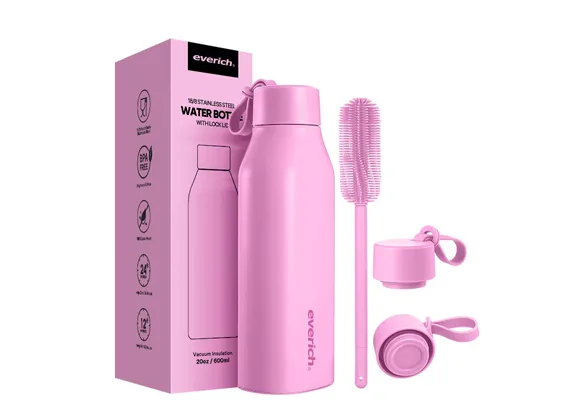
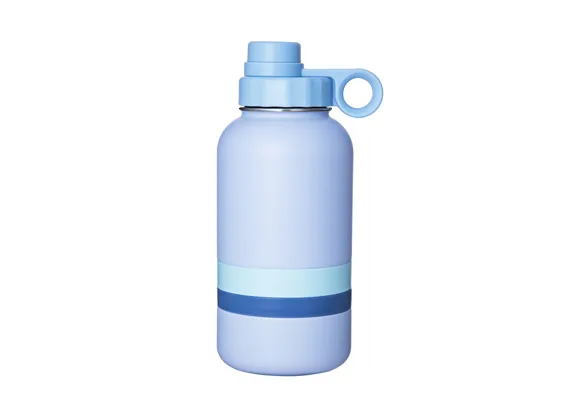
Food-Grade 304/18/8 Stainless Steel — Core material in many tumblers/bottles: non-toxic, rust-resistant, no chemical leaching.
BPA-Free Guarantee — All relevant products avoid BPA and harmful plastics; stainless construction eliminates plastic contact risks.
FDA Compliant & Safe Standards — Materials meet international food-contact regulations (implied FDA alignment via industry norms).
Leak-Proof & Insulated Designs — Features like silicone seals and vacuum insulation enhance usability without compromising safety.
Customization Focus — Low-MOQ ODM for brands wanting branded, health-safe alternatives to plastic.
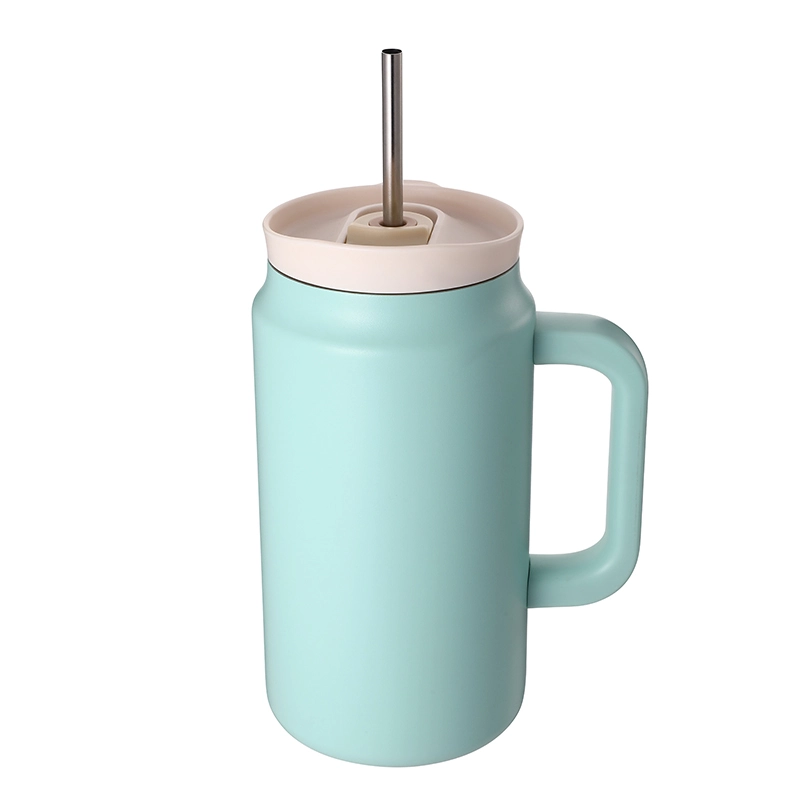
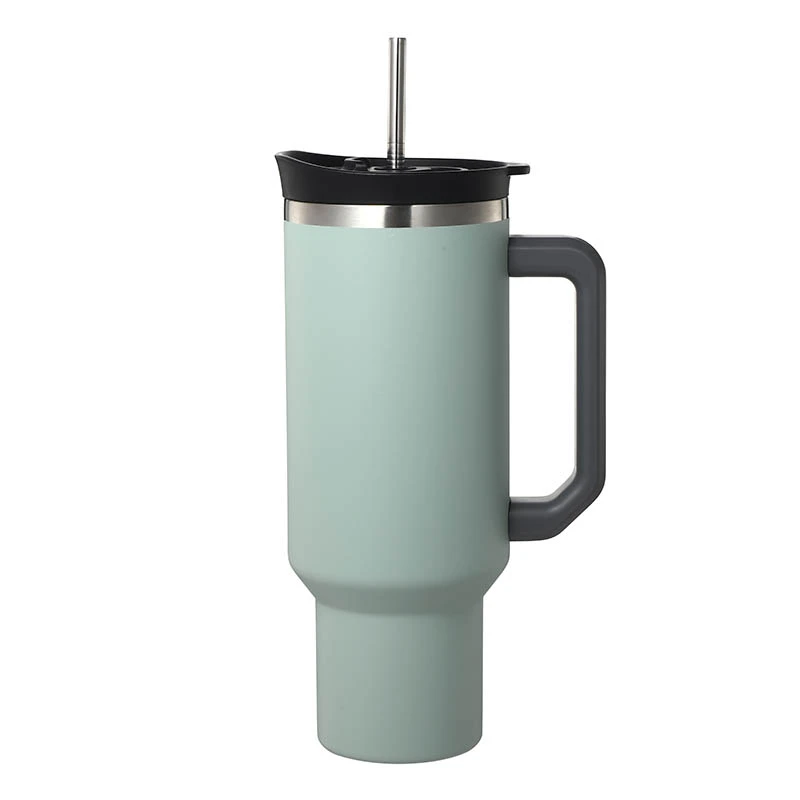
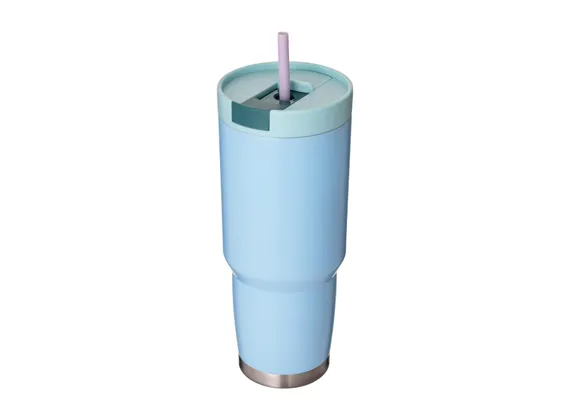
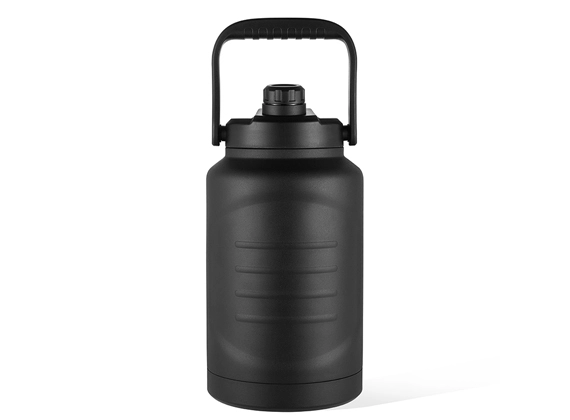
Top recommendation for sports use:Premium 304 Stainless Steel Leak-Proof Tumbler (19363C) — Durable 304 stainless, leak-proof, no plastic concerns, perfect gym/hydration upgrade.
These make excellent bulk/wholesale options—contact Everich for custom logos, capacities, or sports-specific designs.
Making the switch to stainless steel isn't just safer—it's smarter for long-term health and sustainability. Ready to ditch plastic risks? Check Everich ODM's range today.